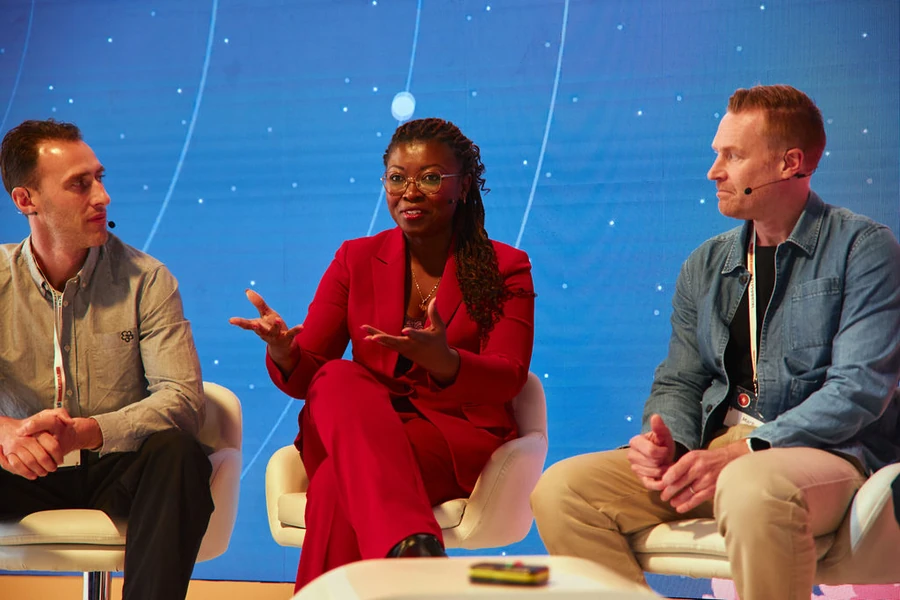
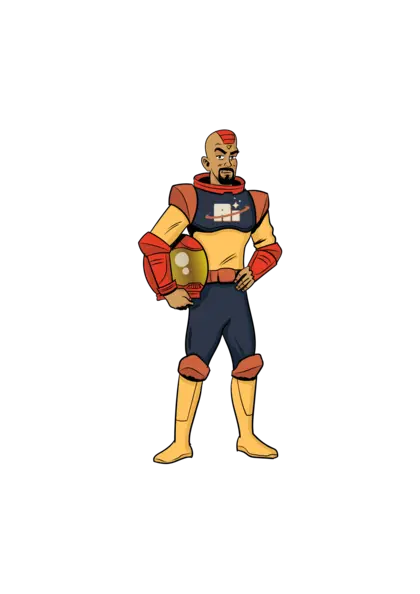
“AI is your decision orchestrator. It is not just a technology solution.”Adama IbrahimUKAI / Crest Meridian

30 April 2026 / Tobacco Dock, London
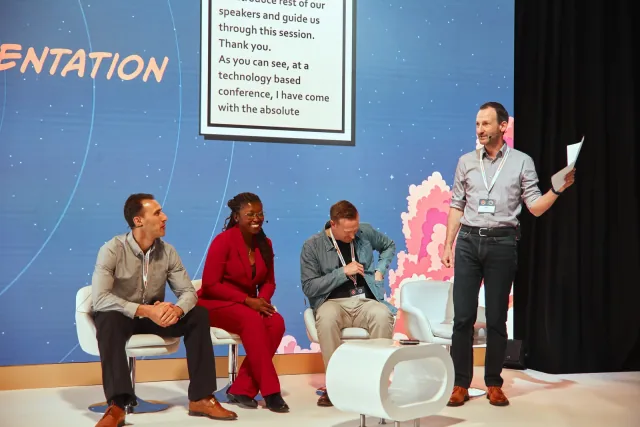
Adventures in Pharma® 2.0 asked what happens after AI stops being hype and starts becoming work. The answer was practical: better decisions, stronger teams, clearer ownership, and a sharper focus on the people who have to use the tools.

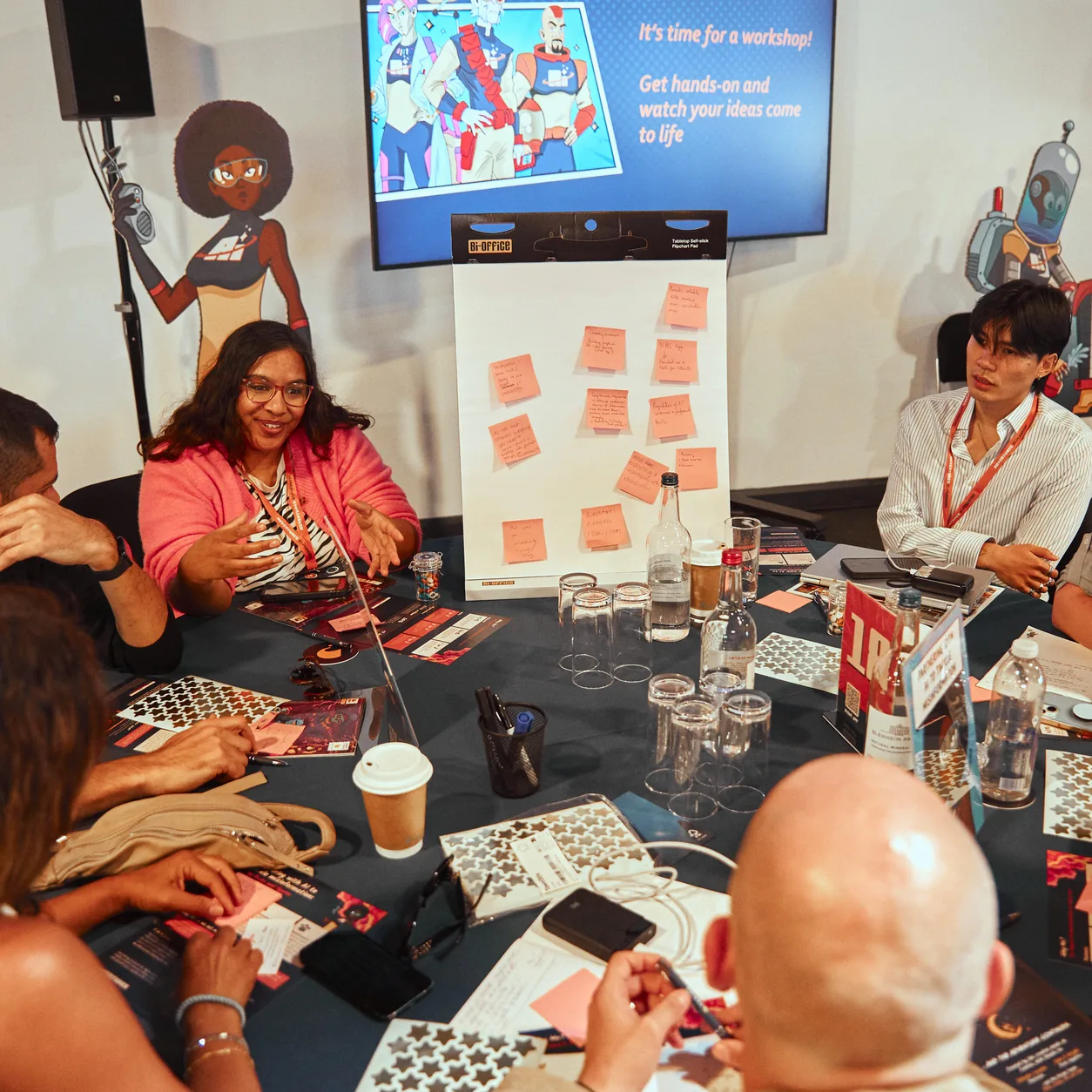
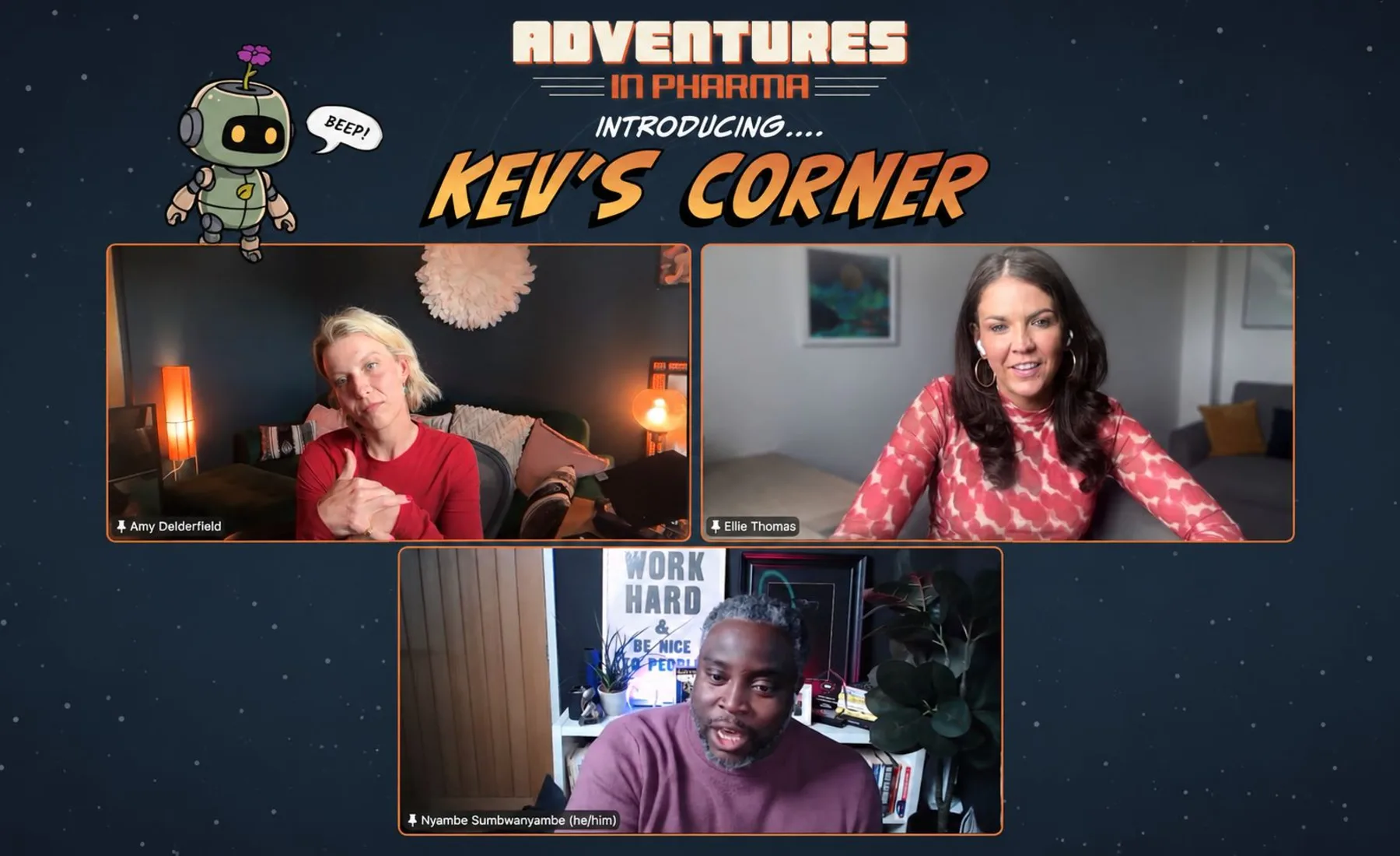
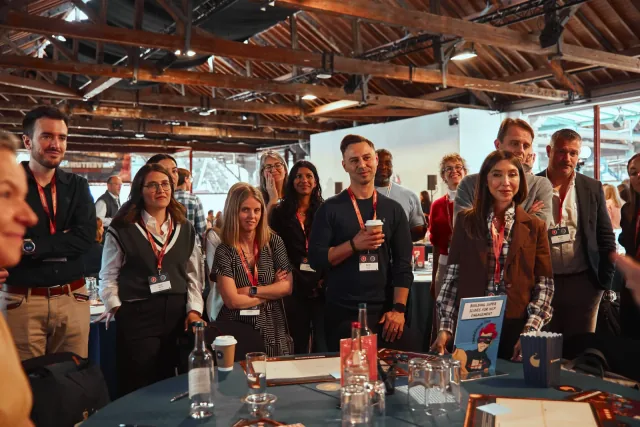
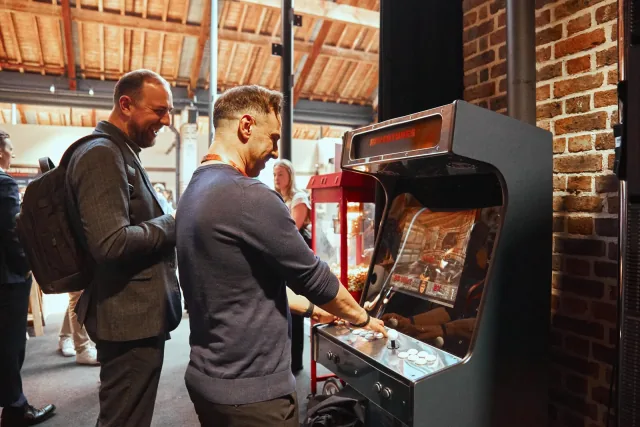
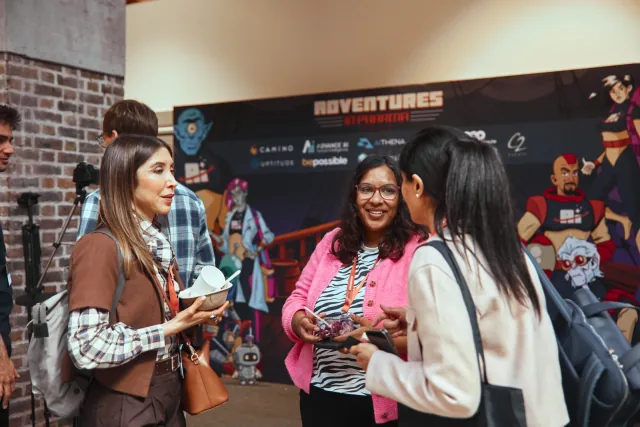
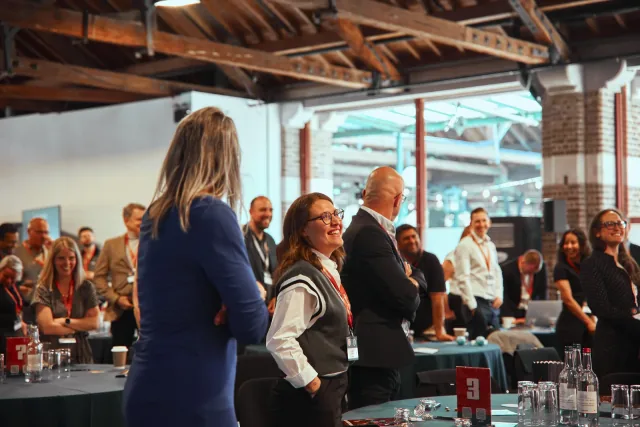
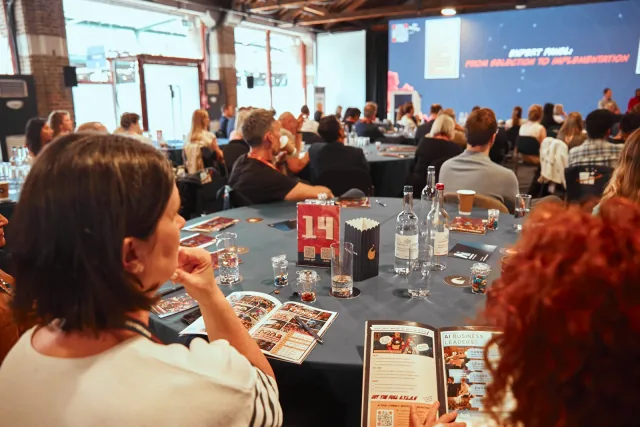
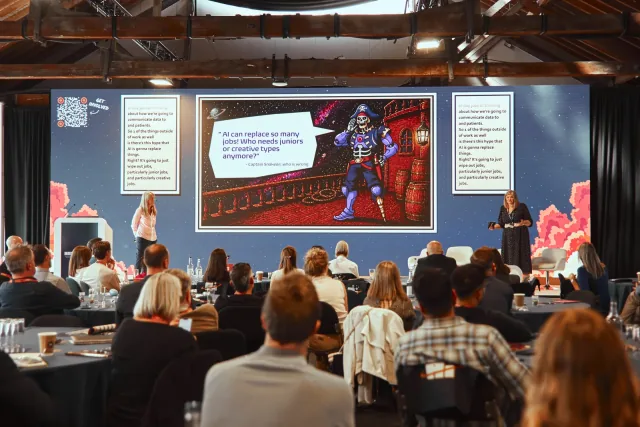
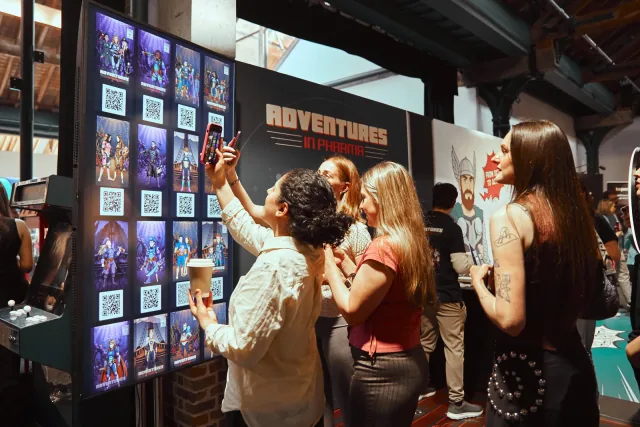
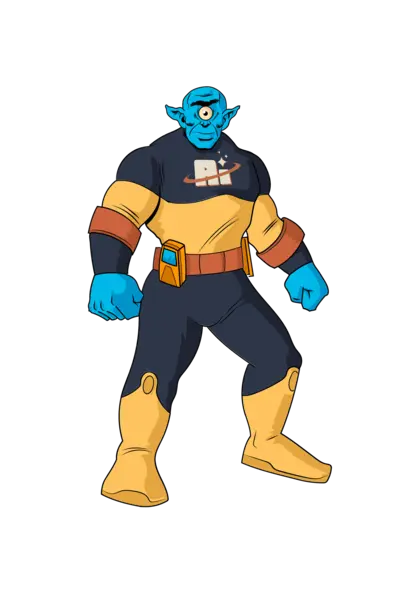
Brought to you by the humans at Camino. Small everyday ideas, game-changing AI, real stories from people actually doing the work. Energy from the first coffee, confidence brimming by close. Plus the photobooth that turned half the room into villainous space pirates.
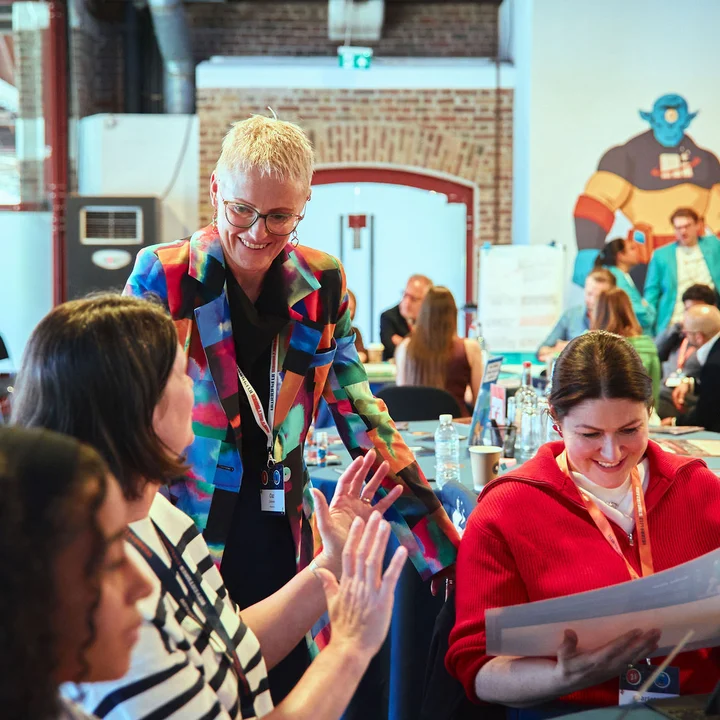
“The kind of room where people do not just attend... they lean in.”
“Lots of tangible use cases beyond buzzwords and hype.”
“Here's how we're actually using it, here's what's hard, here's what we've learned.”
“So good I missed my flight.”
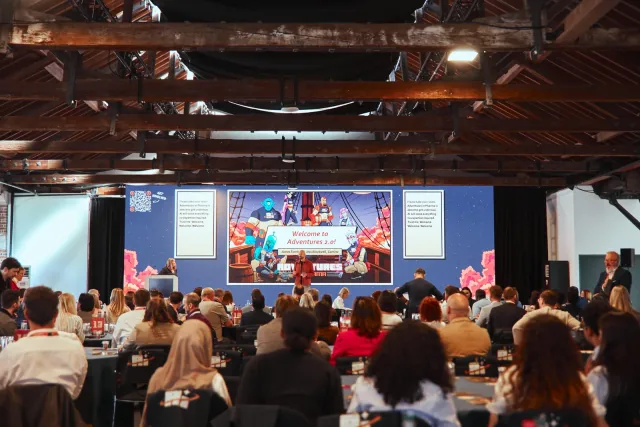


Mission brief
The room had already moved past adoption: nearly four in ten attendees were using AI multiple times a day before they walked in.
The interesting questions were the ones underneath: what we are trusting it to decide, why most projects still fail in the workflow, and what the next twelve months actually have to contain. The faculty came at all of this from different angles, and arrived at most of the same answers.
Field notes
“AI is your decision orchestrator. It is not just a technology solution.”Adama IbrahimUKAI / Crest Meridian
Chapter 1
In just nine months, the AI conversation in pharma has moved on. At the first Adventures, the question was whether to use it. Adventures 2.0 made the next question clear: what decisions should we let it make?
Adama Ibrahim called AI a decision orchestrator. Christina Busmalis described the move from insights to action. Kyriakos Tempriotis showed AI living inside a legal-and-compliance investigation workflow, saving roughly 20 hours per case. The thread running through it all: AI is doing work that used to need a human in the room.
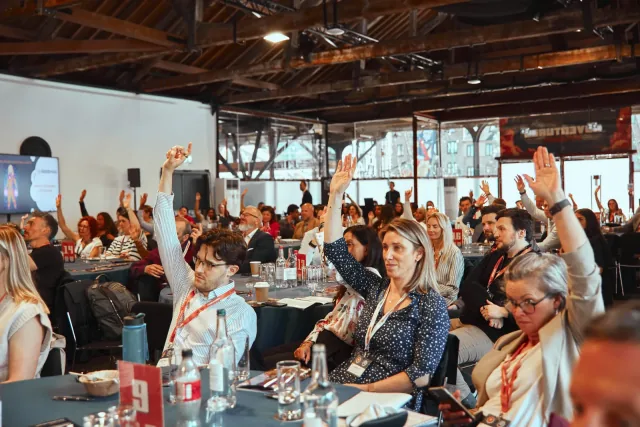
A show of hands made it concrete. Almost everyone in the room is now using Claude over ChatGPT, completely flipped from last year.
If AI is making decisions, not just running them faster, then how pharma deploys it has to look different. Companies are still treating AI like software: IT procures it, IT deploys it, a function owns it. But agentic AI works across functions, not inside them. It needs joint decisions from clinical, commercial, regulatory and market access, teams that historically have not shared a room.
Every speaker who had got an AI agent working inside pharma said the same thing in different words: it took relationship work, not deployment work. The companies that win the next two years will not be the ones with the best tools. They will be the ones who have redesigned how their teams decide together, with AI inside that work rather than next to it.
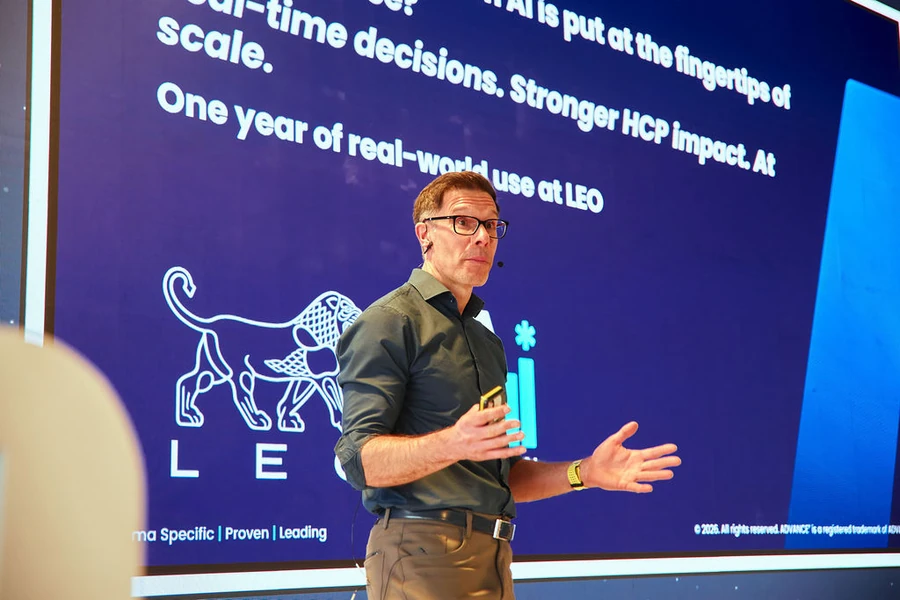
“It's tempting when you've got something exciting and new, to badge it as exciting and new — and it becomes something out there as a bolt-on. Making it more of a habit rather than something that's new would have made it stick earlier.”Steve HopkinsLEO Pharma
Chapter 2
The day's most-felt moment was not on a slide. Yam got the room on its feet, asked everyone to plant their feet on the floor, and led the whole of Tobacco Dock in a full-throated scream. It worked, twice actually.
Five minutes later, Natasha Hansjee talked about losing her mother and using Google's tools to build a Gem modelled on her, to be a champion in her corner when she needed one. Nobody was checking their phones.
The case studies kept circling back to the human part. Rick Hollis spent two years getting roughly 50% of an Ipsen sales team to record their own calls. Steve Hopkins' answer was operational: stop badging new things as a new thing. Make it the cycle meeting, the field visit, the ATU review. Habit, not launch.
Christina Busmalis put a number on it. The model is 10% of the work, the data and tech 20%. The people are 70%.
Pharma still budgets AI projects like software: spec, build, train, scale, with a light grating of change management sprinkled at the end. Treat Christina's 10/20/70 seriously, and AI projects start looking less like rollouts and more like reorganisations.
That is an uncomfortable thought, because reorganisations need senior people backing them, years not quarters, and patience for the people work taking longer than the build work. But the alternative is already showing up across the industry: tools live, adoption flat, and leadership teams wondering why the ROI has not shown up yet.
The expert in the room, as Eddy Godber put it, is an optimist.
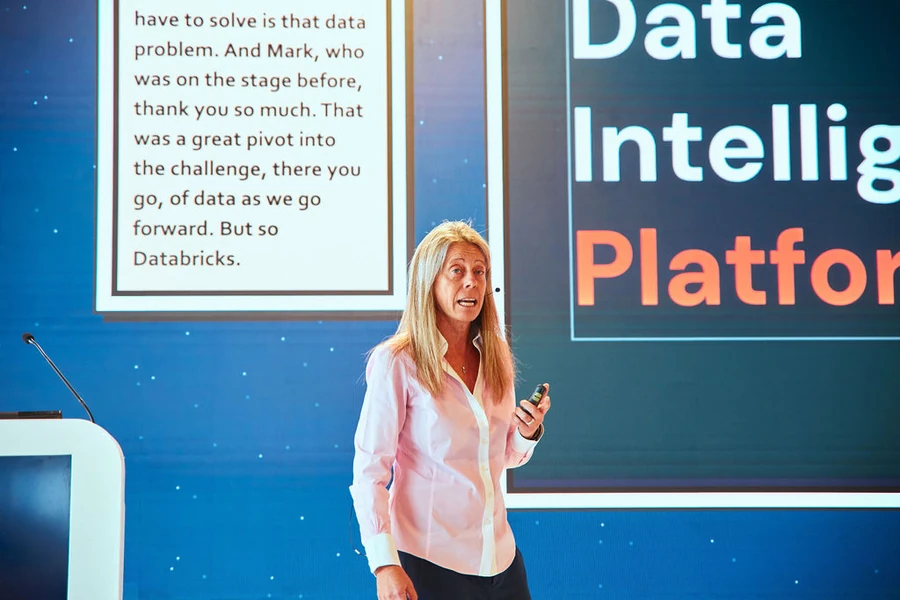

“Governance isn't just about data. It's how you govern everything in an organisation for AI to actually be scalable and usable.”Christina BusmalisDatabricks
Chapter 3
The same idea kept turning up in different costumes.
Steve Hopkins and Rick Hollis landed independently on identical policy: individual call recordings are for the rep's eyes only. Development tool, not performance management. The moment that line blurs, the recordings stop.
Kyriakos Tempriotis built the same logic into a three-stage maturity model. Public court judgements before internal COI declarations. Historical declarations before live investigations. Trust earned, not assumed.
Camino and Harish Kumar got Jazz's EVA through strict compliance by involving reviewers at the start, not the end. Steve Hopkins caught his sales team starting calls before hitting record so the agenda-setting did not show up in the data, a reminder that recording changes behaviour even when the recording itself is private.
Data ownership is where compliance, adoption and trust meet. Get it wrong and one of three things breaks: the legal team blocks deployment, the end users vote with their feet and opt out, or, most damaging, the data you do collect stops reflecting reality.
Pharma's instinct is to push these questions to a compliance review at the end. Agentic AI does not survive that order. It needs the redaction rules, the access tiers, and the opt-outs designed in from the first conversation.
The companies treating compliance as a launch gate are the ones still running pilots. Those treating it as a design constraint are the ones with agents in production.
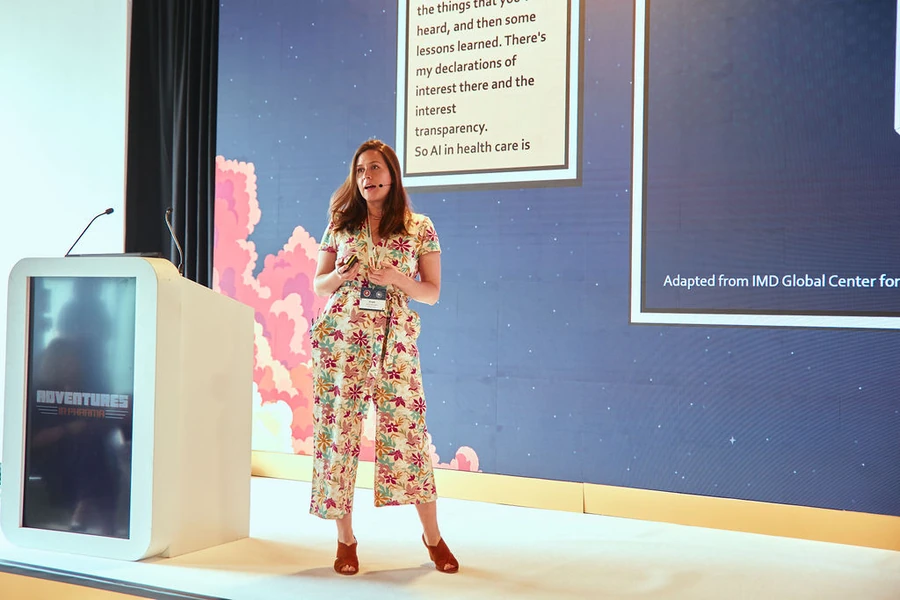
“They've not really thought about the problem, which is the pathway. They've just got a great technology, they're trying to shoehorn it in.”Fran Conti-RamsdenNHS / King's College London
Chapter 4
The same insight came up again and again, in different examples: a clinician on a failed NHS trial, a pharma exec on board-level fear, and a vendor on what good actually looks like.
Fran Conti-Ramsden's TRICORDER example was the cleanest version: an AI stethoscope that diagnosed heart failure with high accuracy, abandoned by 40% of clinicians inside 12 months because it did not fit a 10-minute appointment. The tech worked. The pathway was the problem, and nobody had looked at it.
From the pharma side, the same conclusion came through a different door. Mark Wheeler said pharma's fear pushes ambition too high, too early. The case studies that worked, Kyriakos Tempriotis on Learn, Trust, Operate and Lucy Cahn on the evidence-gap agent, had one thing in common: months of process design before any tool went near a real workflow.
The default pharma move is still vendor-first. Watch the demo, build the business case, run the pilot, scale if it works.
That order is wrong. By the time the demo is booked, we have already skipped the workflow conversation. The tool ends up shaped to fit a process that should never have survived this long.
The companies getting real value out of AI right now are not running more pilots. They are running fewer, with two things done first: the workflow stripped back to what AI can actually change, and the people who own that workflow inside the room before procurement.
Tools chosen any other way will be obsolete inside the window that matters.
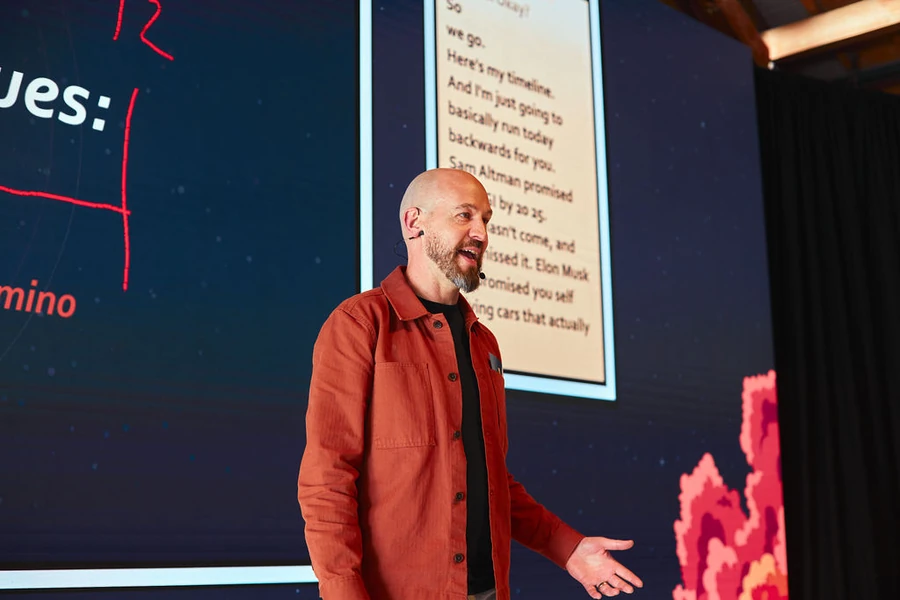

“In a year's time, I want you all to be using AI in a really agentic way. But you're not going to be there next week. That's fine!”James TurnbullCamino
Chapter 5
James' vision, agentic AI deployed and normalised in twelve months, is achievable, but only if pharma stops treating this year as innovation theatre.
Christina's three-to-five-year horizon for agent-defined pharma makes this the foundation year. Governance, data, people, skills: those are the only investments that compound across that window. Tools chosen now will be obsolete inside it, anyway.
The companies that come into 2027 looking unrecognisable will be the ones that spent 2026 doing the unglamorous work: months of compliance calls, weeks of process redesign, the field team meetings nobody put on a slide.
The ones still running pilots this time next year will be telling a different story to their boards. Both stories are being written now.
The room's own data show how fast people move once the foundations are right. Confidence rated as Good or Excellent went from 37% to 78% in eight hours, and what people thought AI was for changed in the same time. The room had stopped treating AI as a tool for writing, and started thinking of it for thinking.
Two take-homes stood out, neither technical. Fran Conti-Ramsden's caution that LLMs are trained to please us, which means we cannot regulate them the way we regulate a drug. And Adama Ibrahim's parting line: steal prompts with pride. The companies making real progress share. The ones who do not, do not.
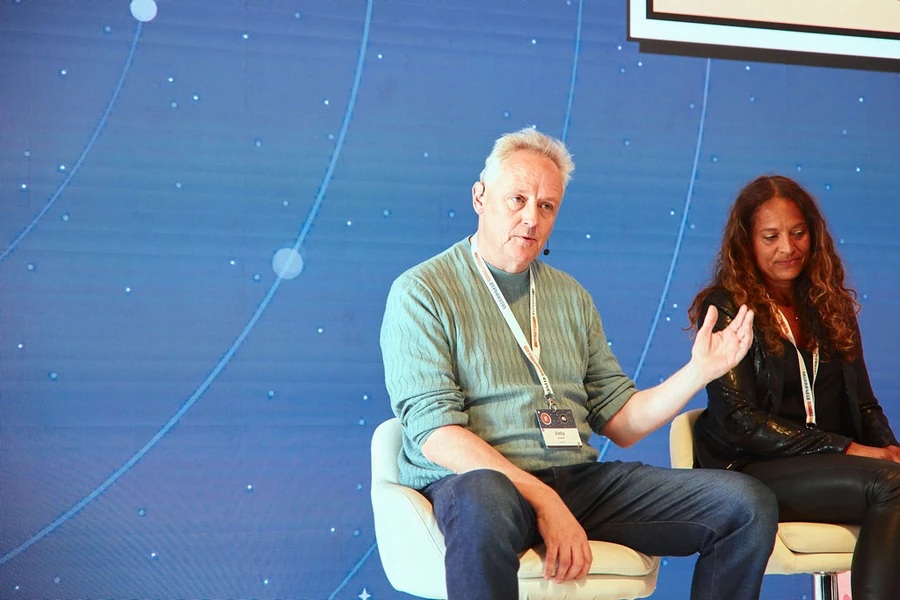

“I've been to all the big conferences on AI this year. This one is where I've learnt the most.”Eddy GodberAmazon
AI pulse check
Good or Excellent rose from 37% before the day to 78% after it.
Multiple-times-a-day intended use moved from 39% to 49%.
“Left me more confident to navigate and embrace the tools, and avoid the hype.”
“Thought provoking sessions, and getting our hands dirty in the workshops. Loved it.”
“Grounded, humble, useful and inspiring in equal measure.”
“The attention to detail was acute, and there was a genuine good vibe throughout.”
“Going home with a long list of ideas, a lot of lessons learned.”

Crew debrief
The strongest conversations kept returning to the same point: AI can accelerate teams, but people still decide the problem, the pathway, and the standard of evidence.
With thanks
Adventures in Pharma 2.0 only worked because the faculty, sponsors, partners and friends of the event showed up with real experience, generous debate and a shared appetite for useful AI.
Speakers and faculty
Partners and supporters