Workshop summary / 30 April 2026

Eight workshops. Eight adventures

One field guide for putting AI to work in pharma: practical tools, sharper prompts, better governance, rare disease ideas, misinformation moves, and the first steps from code to co-work.

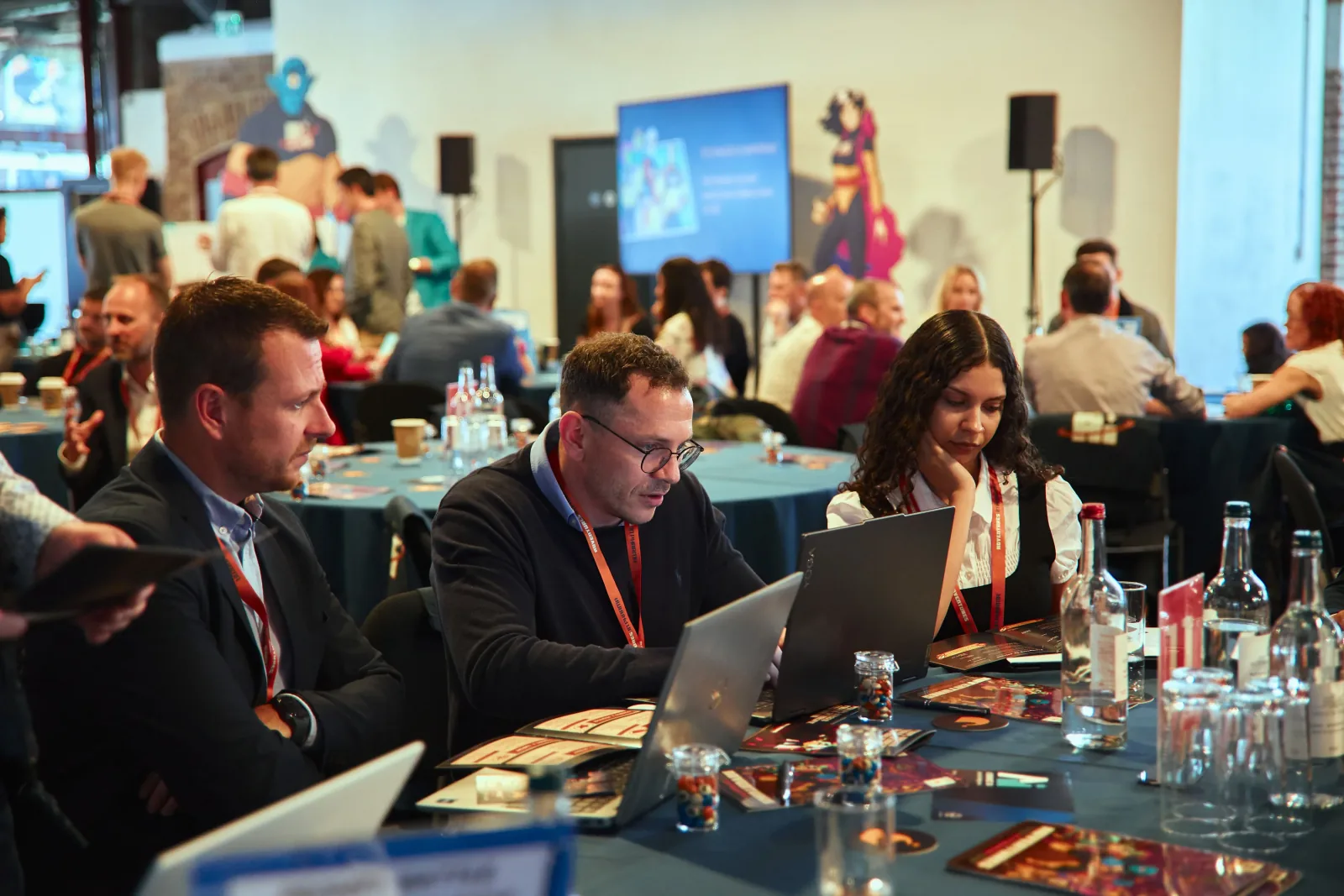
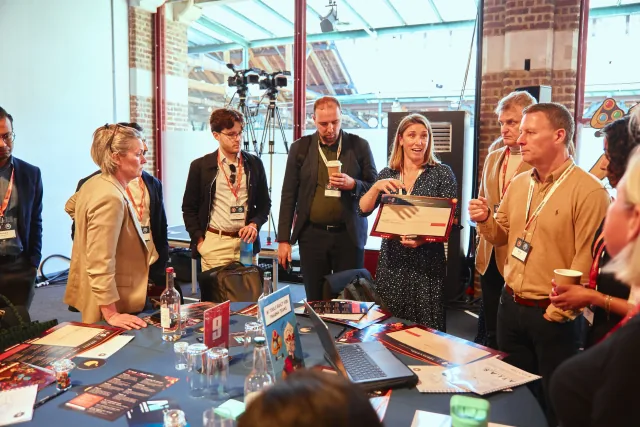
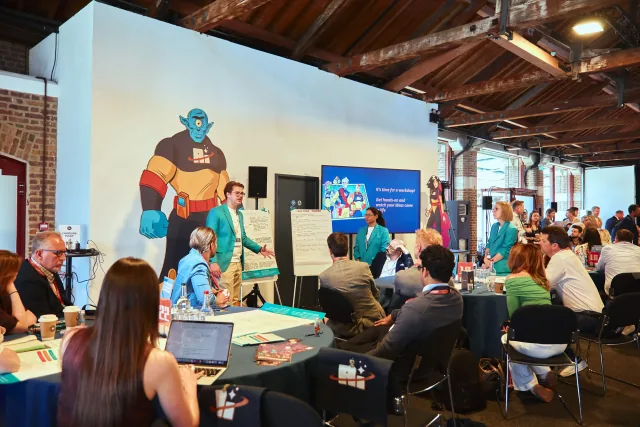
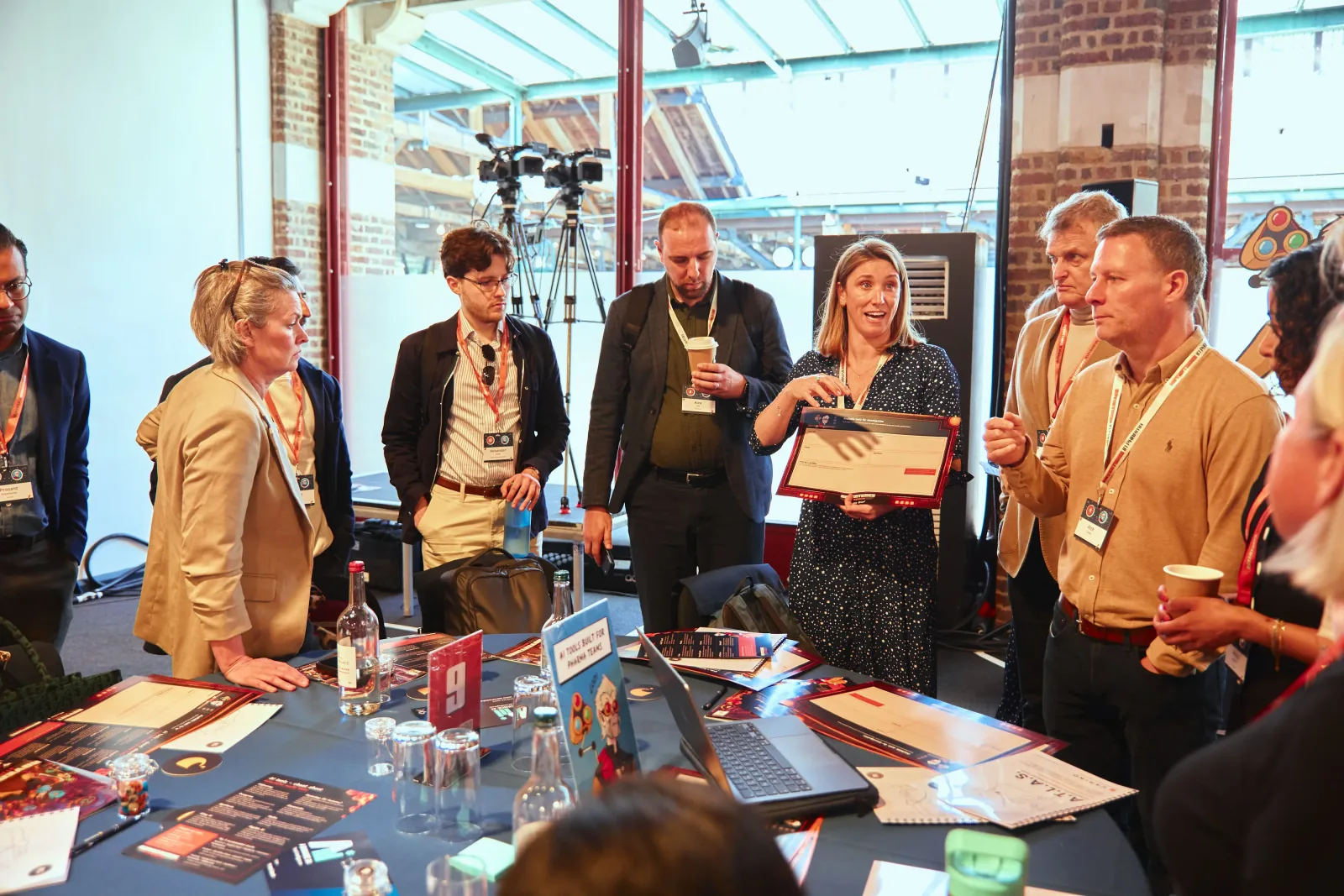
Workshop 1 group at Adventures in Pharma 2.0
Workshop 1

AI tools built for pharma teams

Faculty

Rick Hollis; Kat Hampton, Otsuka

Camino crew

Annie Carswell, Jane Nikhwai

“It shifted the group from 'what could this theoretically do' to 'I could do that tomorrow.'”

Kat Hampton’s day-to-day Copilot examples moved the room from abstraction to action: finding meeting times for packed calendars, pulling themes from a week of emails, and walking into conversations already oriented around priorities.

What it was about

A practical review of the AI tools already available to pharma teams, with a push from general curiosity into specific use cases that teams could act on.

What the group built

Teams mapped tools including ChatGPT, Claude, Copilot and Synthesia against individual steps in real workflows, then used the ATLAS decision guide to interrogate high-burden tasks against structured criteria such as data handling.

What people will do next

Audit high-burden, low-value tasks and identify where tools can free capacity for work that needs human judgement. The task-level framing also gives teams a clearer way into compliance conversations.

What surprised us

The ATLAS guide landed better than expected. Teams used it to push back on vendors, answer compliance questions and advocate for tool use with more confidence.

Want to hear more about this workshop? Email Annie Carswell.
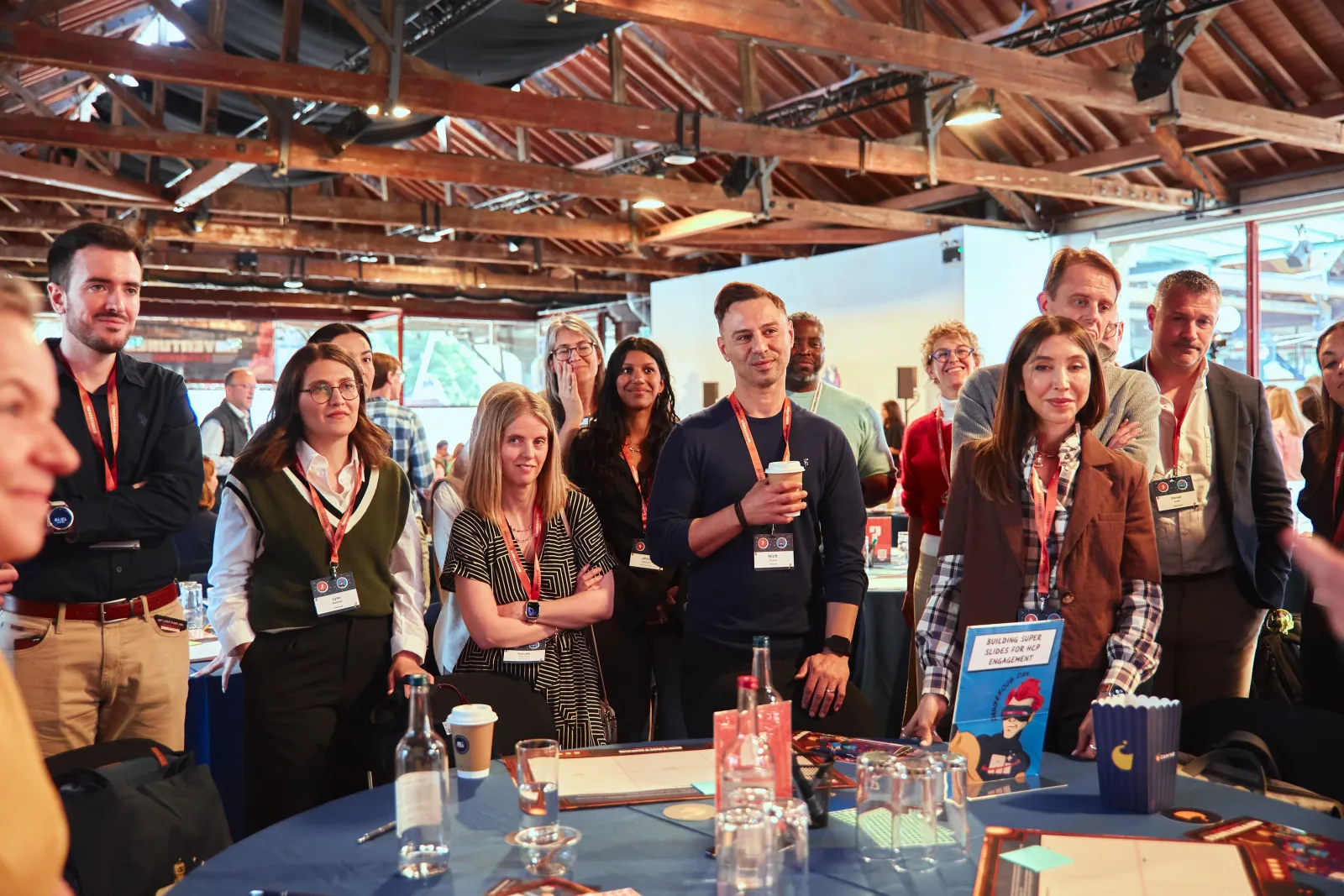
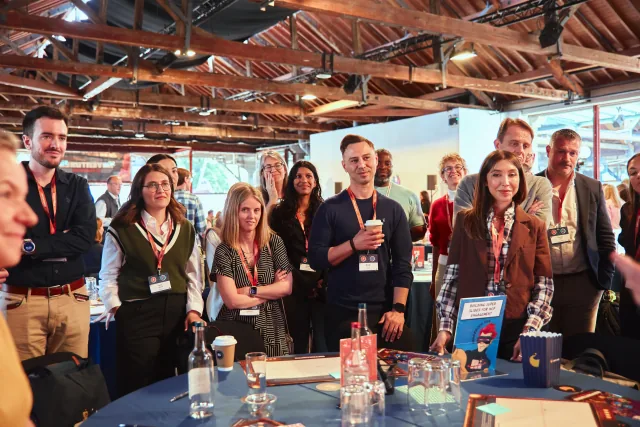
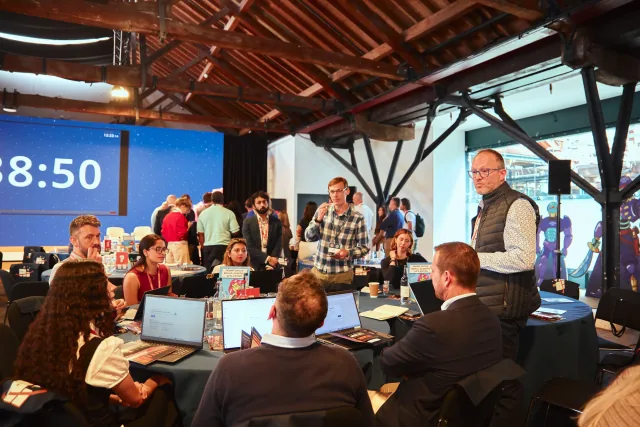
Workshop 2 group at Adventures in Pharma 2.0
Workshop 2

Building super slides for HCP engagement

Faculty

Mark Wheeler, Kyowa Kirin

Camino crew

Gemma Sartori, Hannah Bradbury

“Garbage in, garbage out. The quality of the prompt determines the quality of the output.”

A vague slide prompt and a fully PASTA-structured prompt produced visibly different outputs. The gap made “prompts matter” tangible, and pushed several teams toward Claude for slide creation.

What it was about

How to use AI tools to create better slides for field teams, not just faster ones, by understanding what good prompting looks like and where AI falls short without the right input.

What the group built

Teams compared AI-generated slides, critiqued what the tools got right and wrong, identified common slide pain-points, and used the PASTA framework to produce their own super slides.

What people will do next

Use PASTA as an immediate checklist for future slide briefs, and trial Claude more seriously for slide tasks after seeing the quality difference firsthand.

What surprised us

AI handled individual slides competently, but struggled to build a compelling narrative arc across a full deck. Hallucinated references also surfaced as a serious regulatory risk.

Want to hear more about this workshop? Email Gemma Sartori.

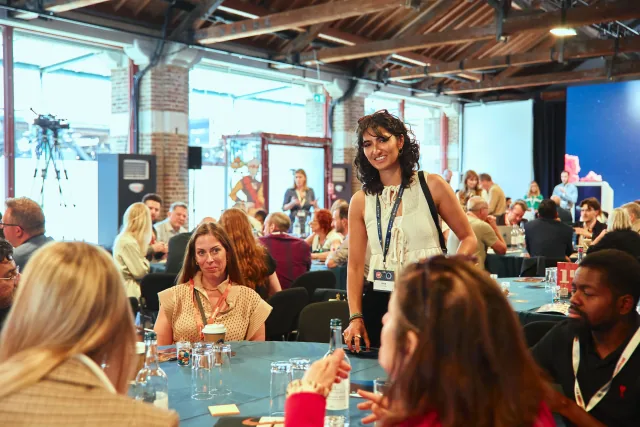
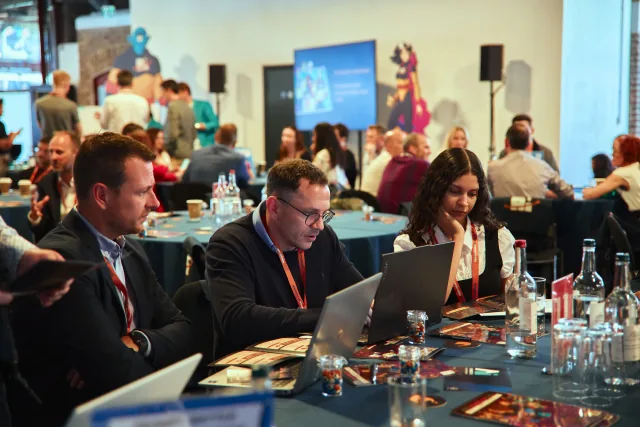
Workshop 3 group at Adventures in Pharma 2.0
Workshop 3

Smarter strategies for rare disease engagement

Faculty

Adam Jones, Amicus

Camino crew

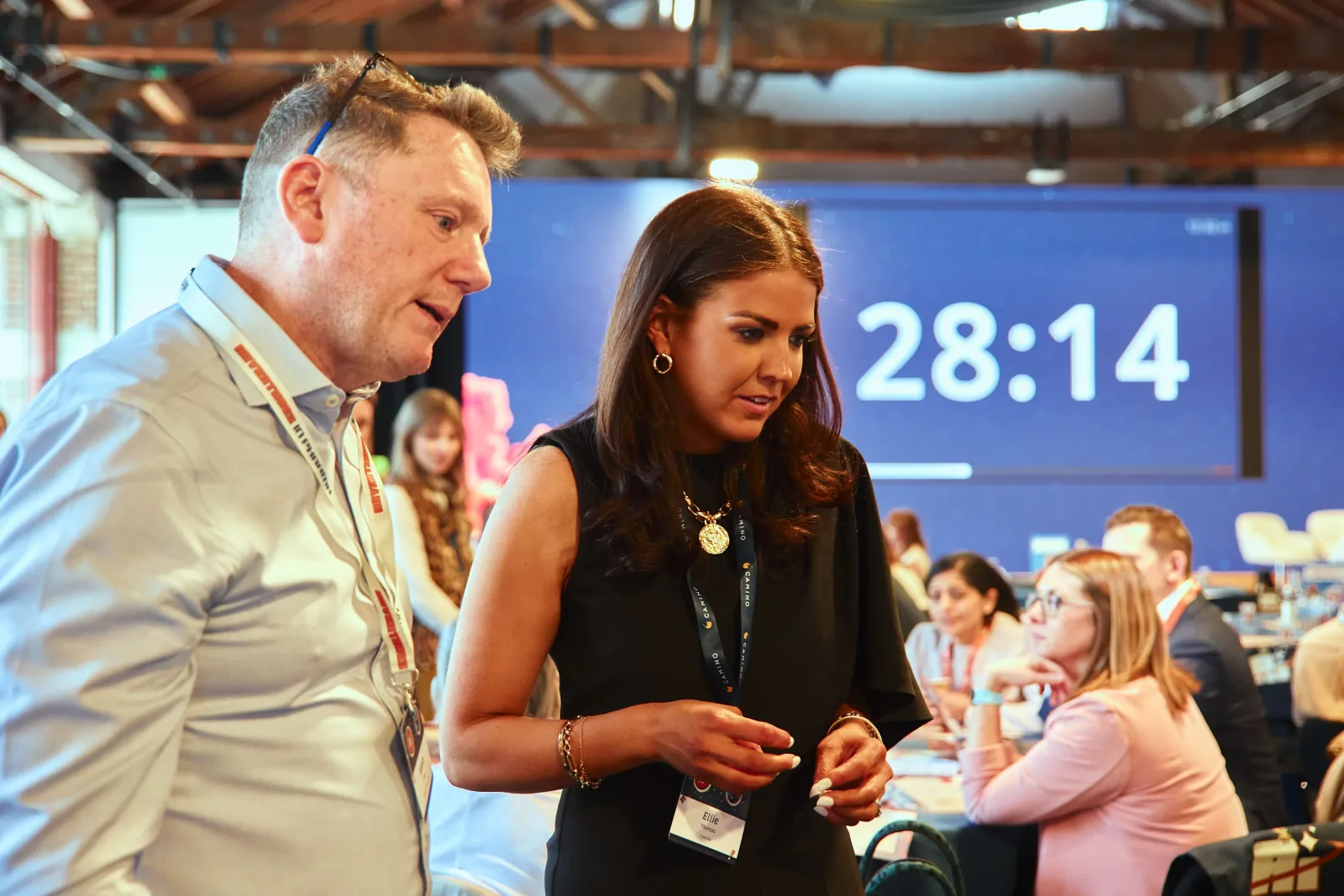
Ellie Thomas, Shauna Willott

“Rare disease is an isolating disease. In other areas patients might know someone with the disease, or know someone who knows someone. In rare disease this isn't the case.”

Two groups independently landed on the same intervention point: an AI-powered diagnostic support tool for HCPs in primary care, designed to flag rare disease signals earlier.

What it was about

A working session on how AI could improve outcomes for rare disease patients, HCPs, pharma teams and others working across the rare disease space.

What the group built

Teams explored diagnosis, patient identification, HCP education and treatment innovation. Both groups converged on a conversational diagnostic support tool, with discussion extending to rare disease data repositories and patient-facing versions.

What people will do next

Focus on the primary care referral pathway, start small with a specific rare disease pilot, and keep the tool positioned as support for human judgement rather than an autonomous decision-maker.

What surprised us

The independent convergence suggested earlier diagnosis in rare disease has genuine resonance as a real-world priority the industry is ready to move on.

Want to hear more about this workshop? Email Ellie Thomas.

Workshop 4 group at Adventures in Pharma 2.0
Workshop 4

Partnering with AI to tackle misinformation

Faculty

Natasha Hansjee, Roche; Sheuli Porkess, FPM; Daniel Newman, Trueheart International

Camino crew

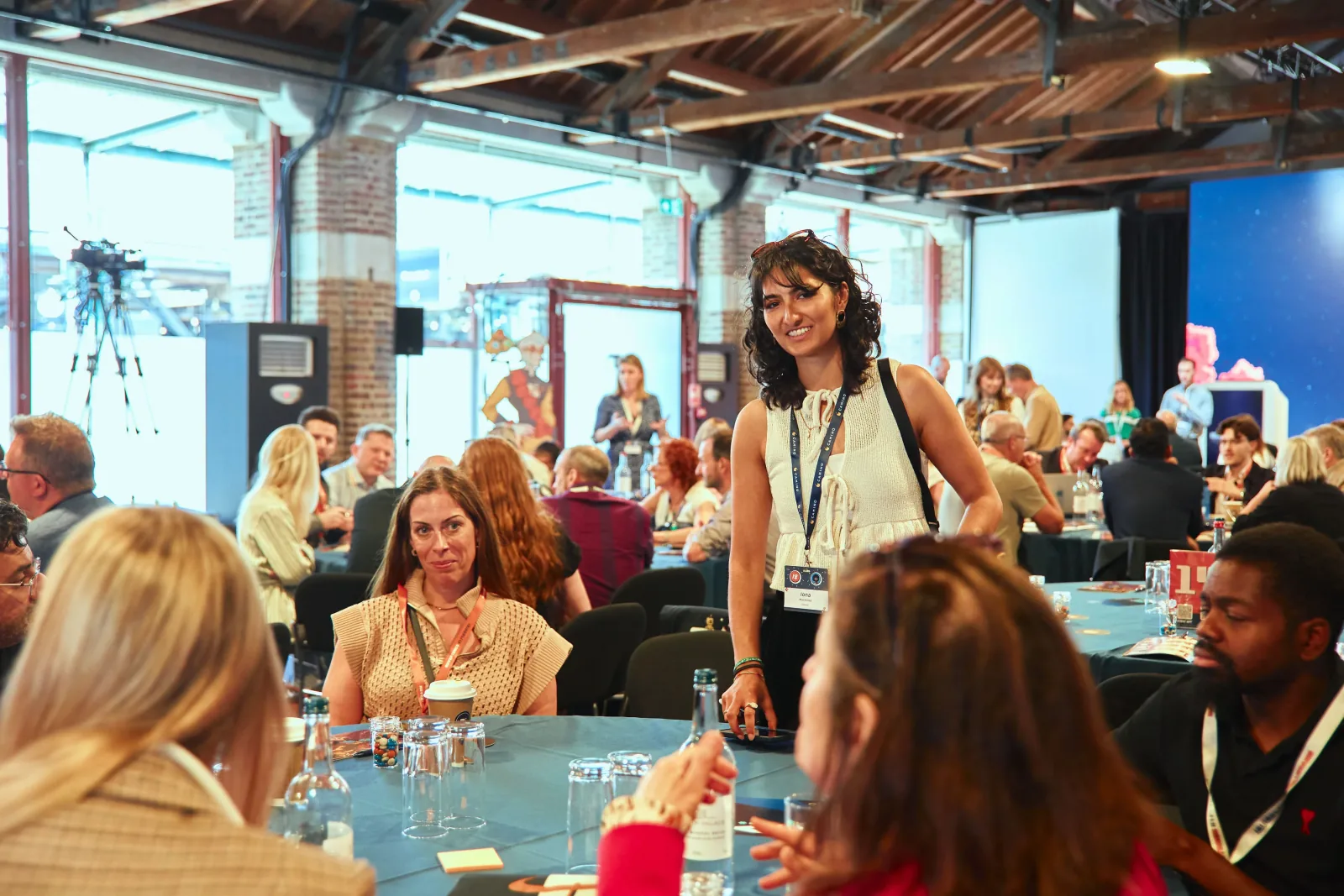
Iona MacKillop

“There's a collective responsibility to learn how to use AI appropriately, both for what we create, and for how we navigate everything else that's out there.”

The room moved past arguing about whether AI belongs in the health information ecosystem. The productive question became how to use it well and help others do the same.

What it was about

How legitimate health information has shifted toward convenience, with faster and friendlier but less accurate sources, and what a better ecosystem could look like if designed from scratch.

What the group built

Groups mapped an ideal information system: a trusted platform drawing from verified sources, distribution through channels people already use, systematic health and AI literacy education, and clearer accountability for AI and tech.

What people will do next

Use AI tools to question content and sources, and contribute to health and AI literacy efforts inside organisations and beyond them.

What surprised us

Despite varied perceptions, from fear to optimism, the groups landed in remarkably similar places. The shared diagnosis was stronger than expected.

Want to hear more about this workshop? Email Iona MacKillop.

Workshop 5 group at Adventures in Pharma 2.0
Workshop 5

Copilot: Workflow, assistant or agent?

Faculty

Marcin Dobak, Uptitude

Camino crew

Shirley Lam, Hannah Bradbury

“The default instinct was to reach for 'agent' before checking whether the use case actually required it.”

Whether a tool is a workflow, assistant or agent is not a marketing choice. It is a risk classification, and the classification determines the controls.

What it was about

A governance workshop about thinking clearly about what kind of AI tool you are building, and why that matters more than the platform you choose.

What the group built

Three groups used the Pharma AI Design canvas to work through users, data, red lines, governance and barriers to production. Concepts included regulator-meeting war games, clinical trial gap analysis and supplier onboarding.

What people will do next

Use workflow, assistant and agent classification when scoping new tools, lead design conversations with “what should it not do?”, and bring the canvas into live Copilot deployment conversations.

What surprised us

Classification was harder than expected. Two groups could not fully resolve the agent/assistant boundary, and the canvas proved useful well beyond AI tool design.

Want to hear more about this workshop? Email Shirley Lam.

Workshop 6 group at Adventures in Pharma 2.0
Workshop 6

Prompt battle royale: scientific data edition

Faculty

André Schütte, Fresenius Kabi

Camino crew

Tom Wilson, Kirsty McCann

“Earlier you heard prompting doesn't matter. Most of the time it doesn't. But when you need a consistent, scalable output, it does.”

A well-designed Categorise prompt became the structured input a Prioritise prompt could act on. The room saw how prompt chains can triage hundreds of papers.

What it was about

A hands-on session on writing prompts for scientific data mining, especially when teams need consistent structured outputs across a dataset.

What the group built

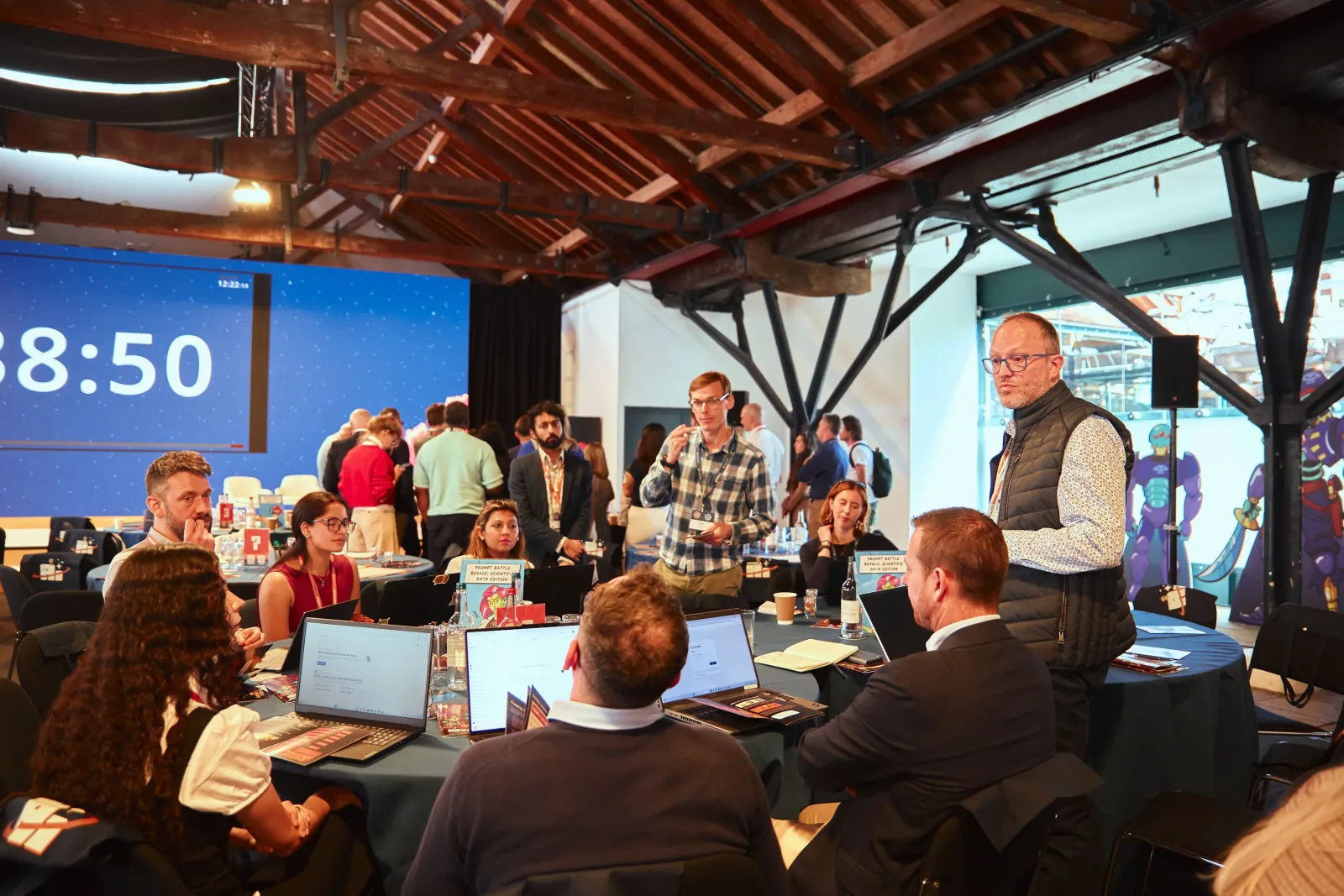
Teams worked through advanced prompting principles, then completed Categorise and Prioritise scenarios for scientific material, testing and iterating until Claude of Battle Royale picked a winner.

What people will do next

Apply the Categorise-Prioritise-Extract pattern to literature reviews, congress abstracts, HCP insights, competitor intelligence and clinical trial records.

What surprised us

Teams quickly used AI to critique and improve their own prompts, making iteration loops faster than expected.

Want to hear more about this workshop? Email Tom Wilson.

Workshop 7 group at Adventures in Pharma 2.0
Workshop 7

Build medical affairs tools with agentic AI

Faculty

Ana Roibu, Otsuka; Caz Canavan, Novartis

Camino crew

Joe Baker, Ellie Hughes

“I've convinced Copilot to give me the recipe. I just need to be let in the kitchen to cook it up.”

AI-written code stopped being theoretical and started running. The group also proved that pared-down Copilot-friendly workflows can still make useful agentic builds viable.

What it was about

A practical session about identifying real-world problems and vibe-coding agentic AI to solve them, spanning code, prompts, step-by-step instructions and Copilot adaptation.

What the group built

Target builds included a congress insight dashboard, an SOP alignment tool and an insights-to-PowerPoint workflow. The room also explored a Copilot agent, a day-planner app, an ABPI triage tool and a conference insight dashboard.

What people will do next

Keep using guided coding: collaborate with AI, ask it to explain the process and next steps, and get more familiar with tools such as Google Colab where approved.

What surprised us

The resilience and creative problem-solving around getting code to run, especially when adapting to conservative tool environments.

Want to hear more about this workshop? Email Joe Baker.

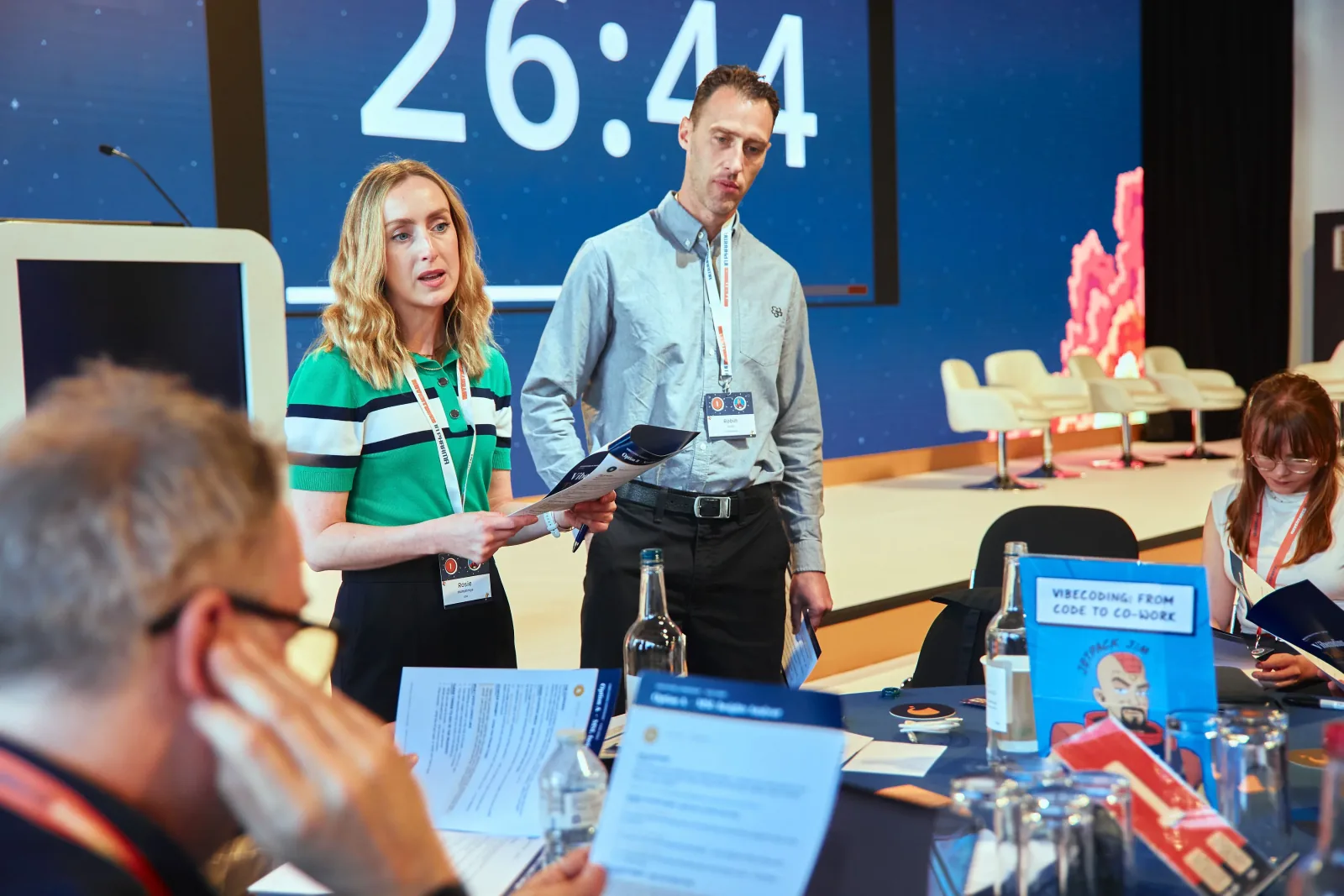
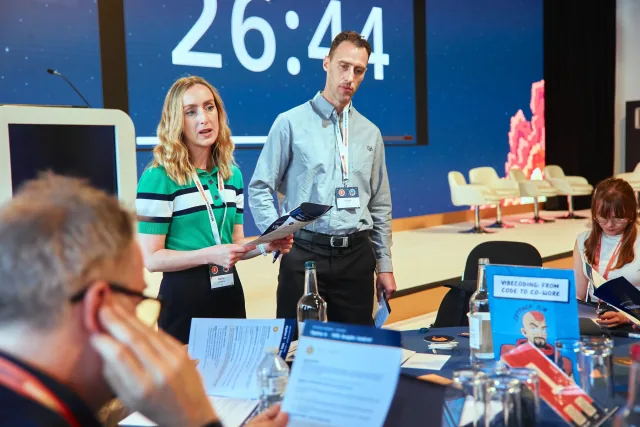
Workshop 8 group at Adventures in Pharma 2.0
Workshop 8

Vibecoding: From code to co-work

Faculty

Rosie Humphreys, GSK; Robin Jones, AstraZeneca

Camino crew

James Turnbull, Rebecca Illsley

“The AI wrote it, but I described what I wanted. That's a different skill, and it's one I think I can actually get better at.”

Groups built interactive, visually coherent outputs in ten minutes, often with no prior coding experience. The gap between intended build and actual build sometimes made the result better.

What it was about

A hands-on session built on one provocation: the barrier to building things with AI has collapsed. You no longer need to know how to code; you need to describe what you want.

What the group built

Groups worked on synthesis, summarisation, first drafts, unstructured field data, an MSL insights analyser, a sales aid for a fictional product and an interactive MOA HCP-conversation explainer.

What people will do next

Use the describe-build-react loop for synthesis tasks, especially turning field insights or meeting outputs into something structured and shareable.

What surprised us

The speed, and the way non-coders evaluated outputs like users rather than technical reviewers. Several attendees moved from curious to having actually built something.

Want to hear more about this workshop? Email Rebecca Illsley.